
The robotics industry is evolving rapidly and continues to create exciting career paths for professionals across various fields. If you're looking to enter a high-growth sector, now is the time to explore top robotic jobs that are shaping the future of work.
These roles span from artificial intelligence to mechanical design and automation, offering opportunities in both research and practical application. Each role in this list represents a key function in the design, development, deployment, or oversight of robotic systems.
This guide covers 10 robotics jobs currently available that demonstrate how robotics is changing industries and offering new possibilities for your career path.
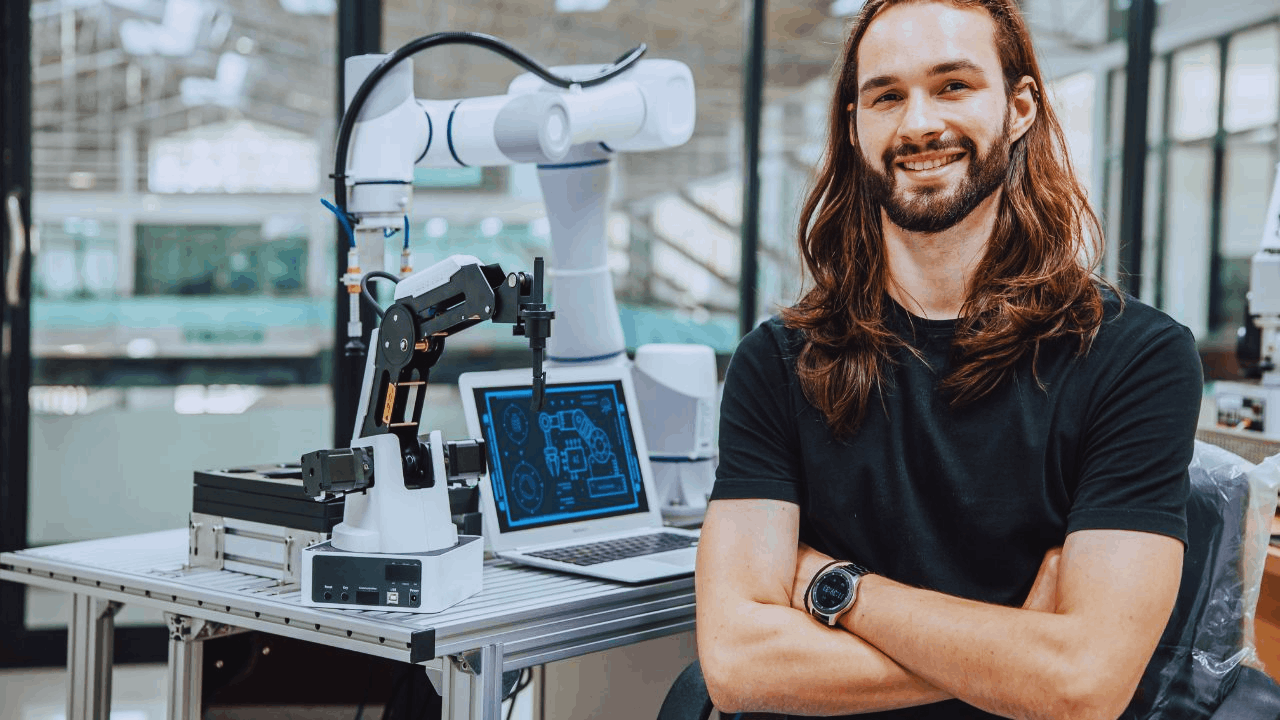
Robotics Software Engineer
A robotics software engineer focuses on designing and programming the systems that control robotic devices.
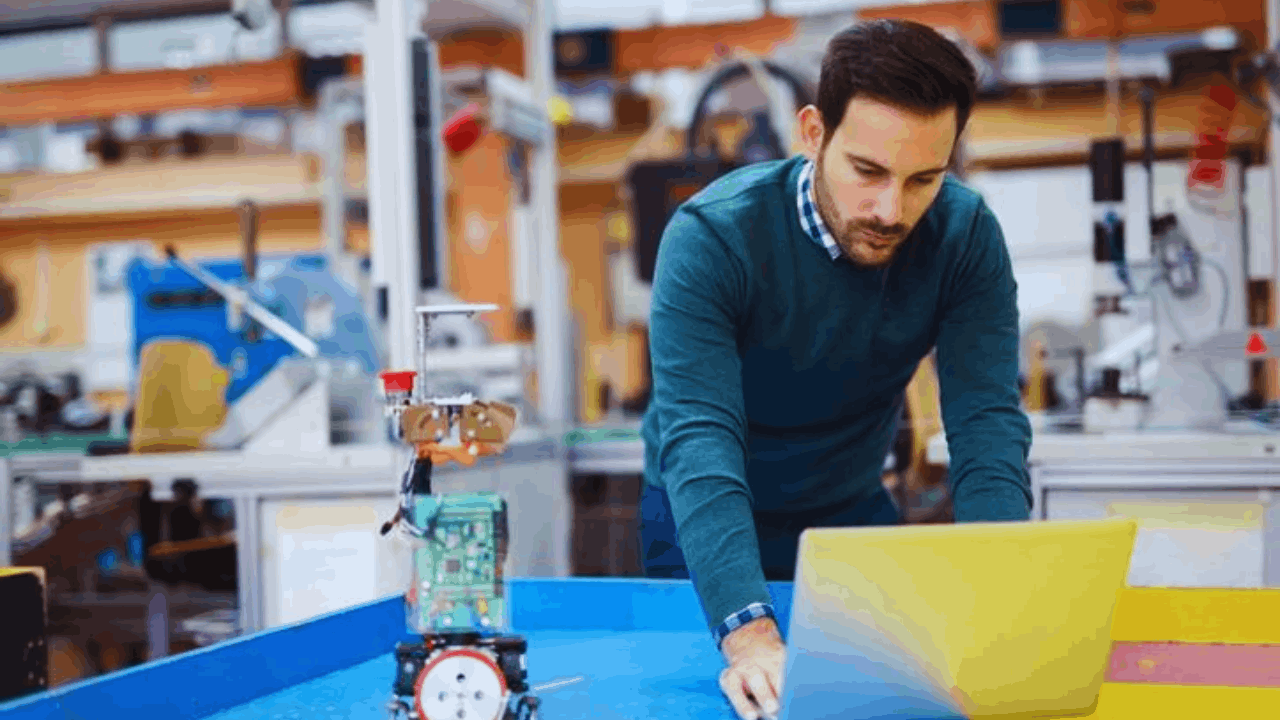
These professionals work closely with hardware teams to ensure precise integration between physical components and software instructions.
The core responsibility includes developing control algorithms, simulations, and interfaces for robotic operations. This job demands proficiency in languages such as Python, C++, and ROS.
Responsibilities and Required Skills
You will need strong problem-solving abilities and a solid background in software development.
A degree in computer science, robotics, or a related field is typically required. Experience with real-time operating systems and robotic middleware is an advantage.
Companies value engineers who can translate user needs into efficient, reliable software systems.
Machine Learning Specialist
Machine learning specialists in robotics work to improve how machines interpret data and adapt to environments.

These experts create models that allow robots to learn from experience and perform tasks autonomously.
This includes developing systems for visual recognition, natural language processing, and pattern detection. The job involves continually optimizing and testing data-driven models.
Impact on Robotics Advancements
In this role, you contribute directly to making robots more intelligent and responsive. Understanding neural networks and statistical analysis is essential.
You will often work with large data sets and need to ensure your models generalize well across scenarios.
Robotics companies prioritize candidates who can bring scalable learning solutions into real-world robotic systems.
Robotics Hardware Engineer
Robotics hardware engineers build the mechanical and electrical components that allow a robot to operate.
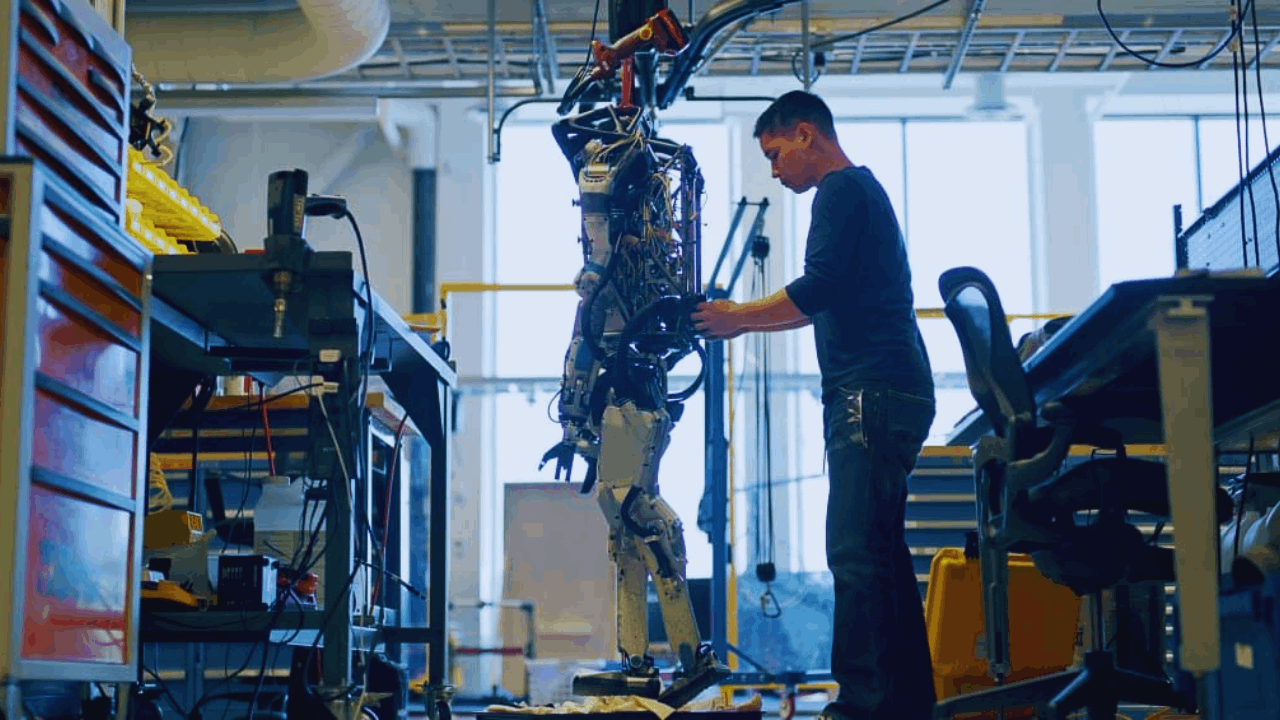
This includes sensors, actuators, microcontrollers, and other physical elements. The job involves close collaboration with designers and software teams to ensure seamless integration.
Engineers also test prototypes and refine designs for performance and durability.
Engineering and Design Requirements
This role requires a background in mechanical or electrical engineering. Familiarity with CAD tools and circuit design is expected.
Your work must meet industry safety standards while pushing innovation in compact, energy-efficient hardware.
As robots become more mobile and complex, the demand for specialized hardware expertise grows.
Human-Robot Interaction Designer
Professionals in this field focus on creating intuitive interfaces between humans and robotic systems.

They ensure that robots can communicate, understand, and respond effectively to human behavior.
This role combines psychology, design, and programming to enhance user experience and safety. HRI designers are crucial in fields such as healthcare and customer service robotics.
Designing for Natural Communication
You will explore how people perceive robotic behaviors and optimize feedback loops for interaction. Skills in user interface design and behavioral science are beneficial.
The goal is to make robotics technology more accessible and usable for non-technical users. As robots enter homes and public spaces, your contributions shape how people trust and engage with machines.
Autonomous Vehicle Engineer
Autonomous vehicle engineers develop self-driving systems for cars, drones, and mobile robots.
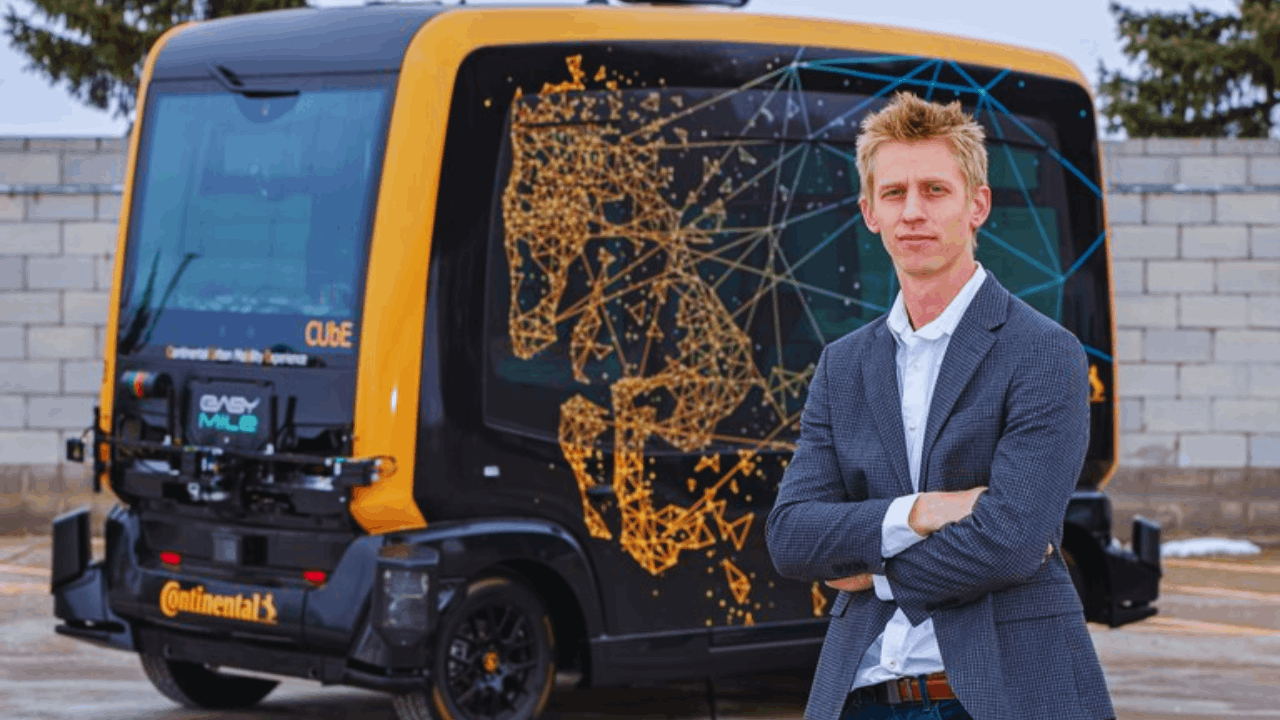
These systems require advanced navigation, sensor fusion, and obstacle avoidance algorithms. Your job is to ensure safe, efficient movement in dynamic environments. The role combines knowledge of robotics, AI, and embedded systems.
Working with Mobility Platforms
In this role, you will analyze real-world data and optimize system responses in unpredictable scenarios. Experience with lidar, GPS, and machine vision tools is critical.
Employers seek professionals who can meet regulatory requirements while improving navigation accuracy. The field is growing fast as industries seek solutions for logistics and transportation challenges.
Robotics Data Analyst
Data analysts in robotics collect, interpret, and visualize the vast amounts of data generated by robotic systems.
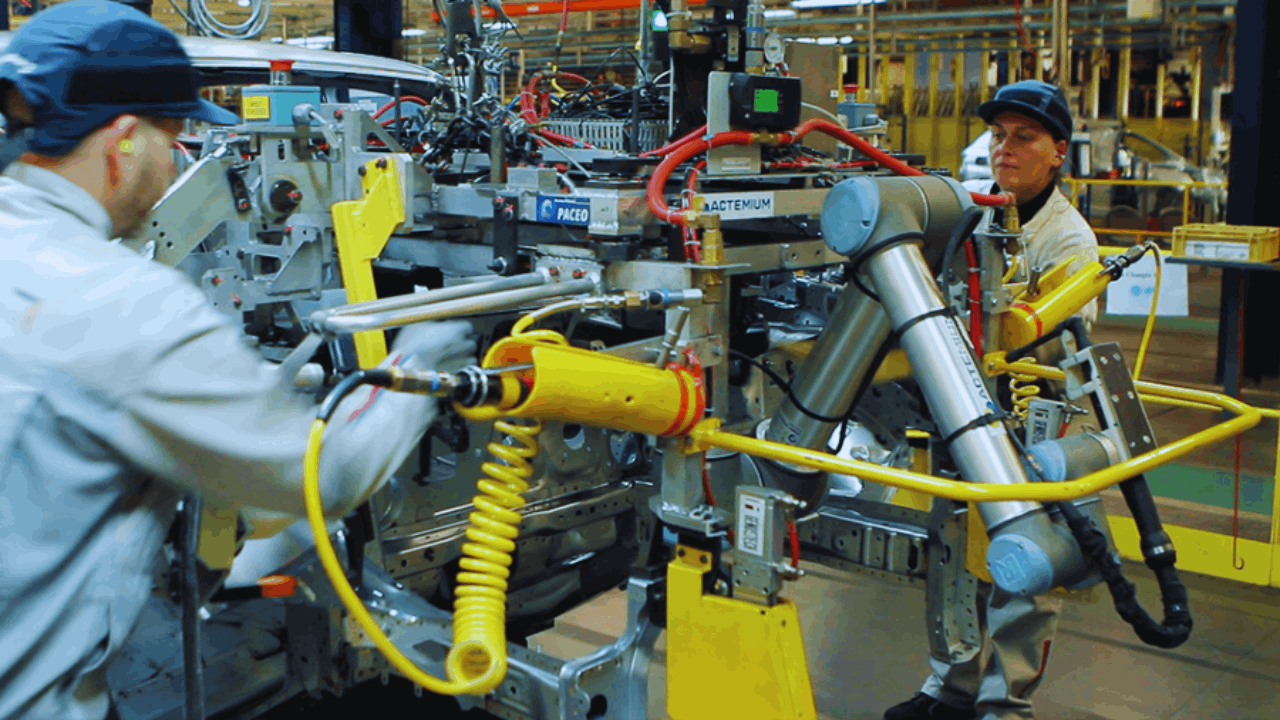
Their work helps improve performance, predict maintenance, and identify new areas for optimization.
This position bridges the gap between engineering and strategic decision-making by making data accessible and actionable. Analysts also play a role in testing and validation.
Turning Data into Decisions
You will use analytical tools to identify trends and anomalies in sensor or operational data. A background in statistics, data science, or applied mathematics is often required.
Proficiency with visualization platforms and scripting languages enhances your effectiveness. This role is crucial in ensuring that robotic systems perform reliably and evolve with precision.
Robot Ethics and Compliance Officer
With robotics entering sensitive spaces like medicine, defense, and public safety, ethical oversight is increasingly important.
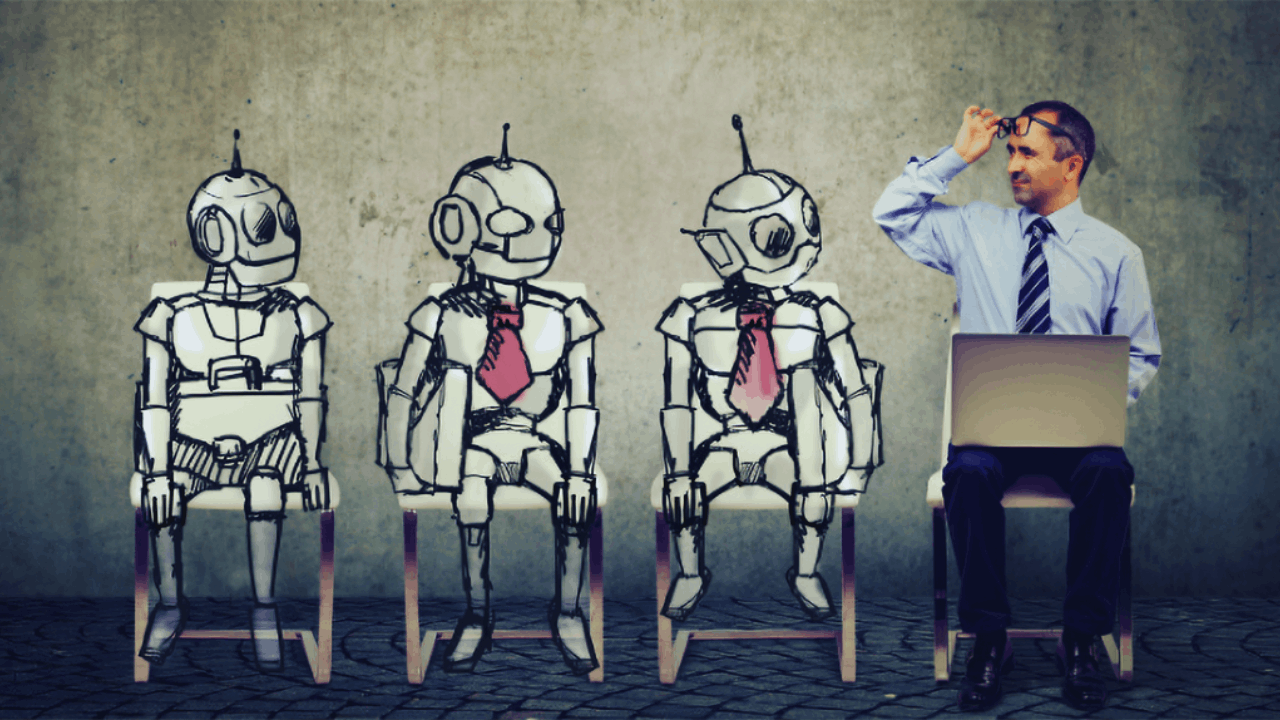
Compliance officers in robotics ensure that technology is developed and used responsibly.
They establish policies and frameworks that balance innovation with human rights, privacy, and legal requirements. This role involves coordinating across multiple functions and leveraging regulatory expertise.
Navigating Legal and Social Standards
You will assess the ethical implications of robotic behaviors and recommend safeguards. Legal knowledge and critical thinking are key strengths in this profession.
The role is multidisciplinary, requiring awareness of both technical operations and societal expectations. As robots gain autonomy, your job is to ensure that systems align with accepted ethical norms.
Biomedical Robotics Engineer
Biomedical engineers in robotics design devices that assist with surgeries, rehabilitation, and prosthetics.
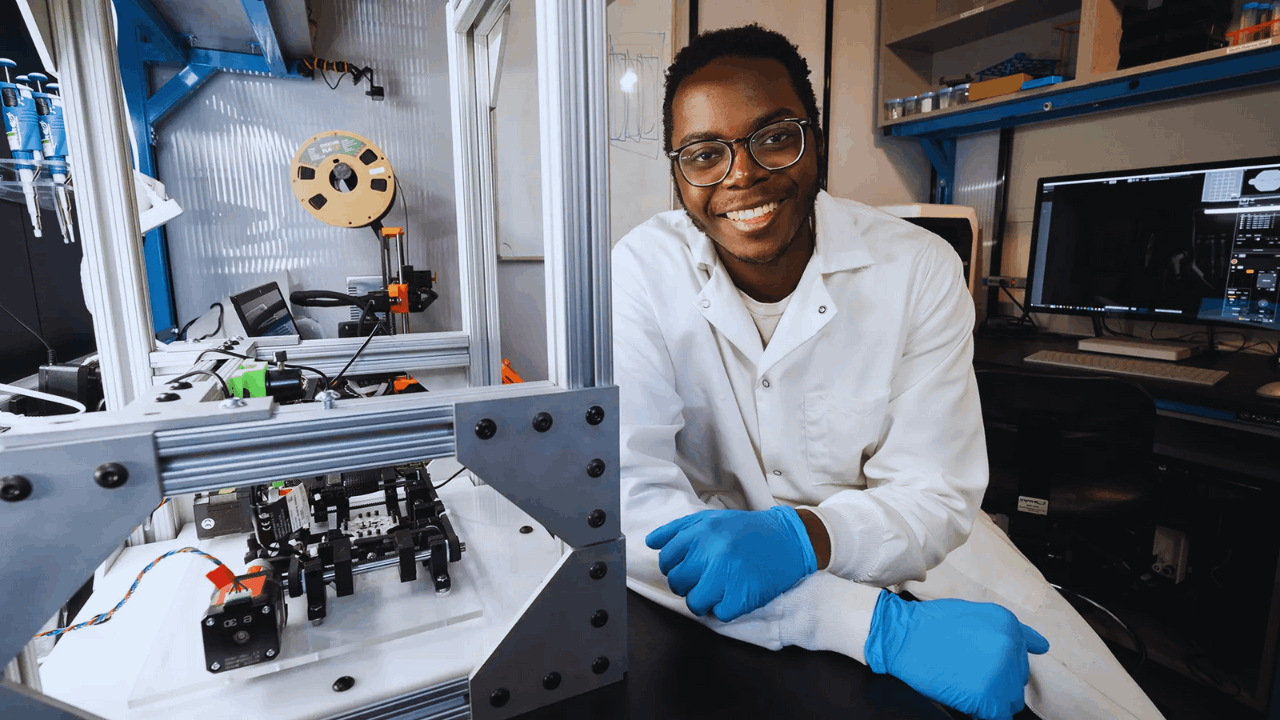
Their work directly supports medical professionals and improves patient outcomes.
These engineers must understand human physiology and integrate it with robotic control systems. The field demands accuracy, innovation, and patient-centered design.
Integrating Robotics in Medicine
In this position, you will contribute to wearable devices, surgical robots, and therapeutic systems. Knowledge in biomechanics and control systems is essential.
Projects often involve collaboration with doctors, therapists, and researchers. The job combines life sciences with engineering to solve complex healthcare challenges.
Industrial Automation Specialist
These specialists create systems that improve manufacturing and warehouse efficiency using robotics.

Their work includes designing automation workflows, selecting the right robotic equipment, and implementing control systems.
They help companies increase output, reduce error rates, and lower production costs. The role often involves on-site deployment and support.
Leading Smart Factory Integration
Your job will focus on configuring robotic arms, conveyors, and machine tools for production environments.
Knowledge of PLCs, SCADA systems, and industrial safety standards is required. Companies rely on automation specialists to future-proof operations. This role is central to the digital transformation of traditional industries.
AI Robotic Research Scientist
Research scientists in AI robotics work at the cutting edge of discovery. They explore new models, materials, and control theories that redefine what robots can do.
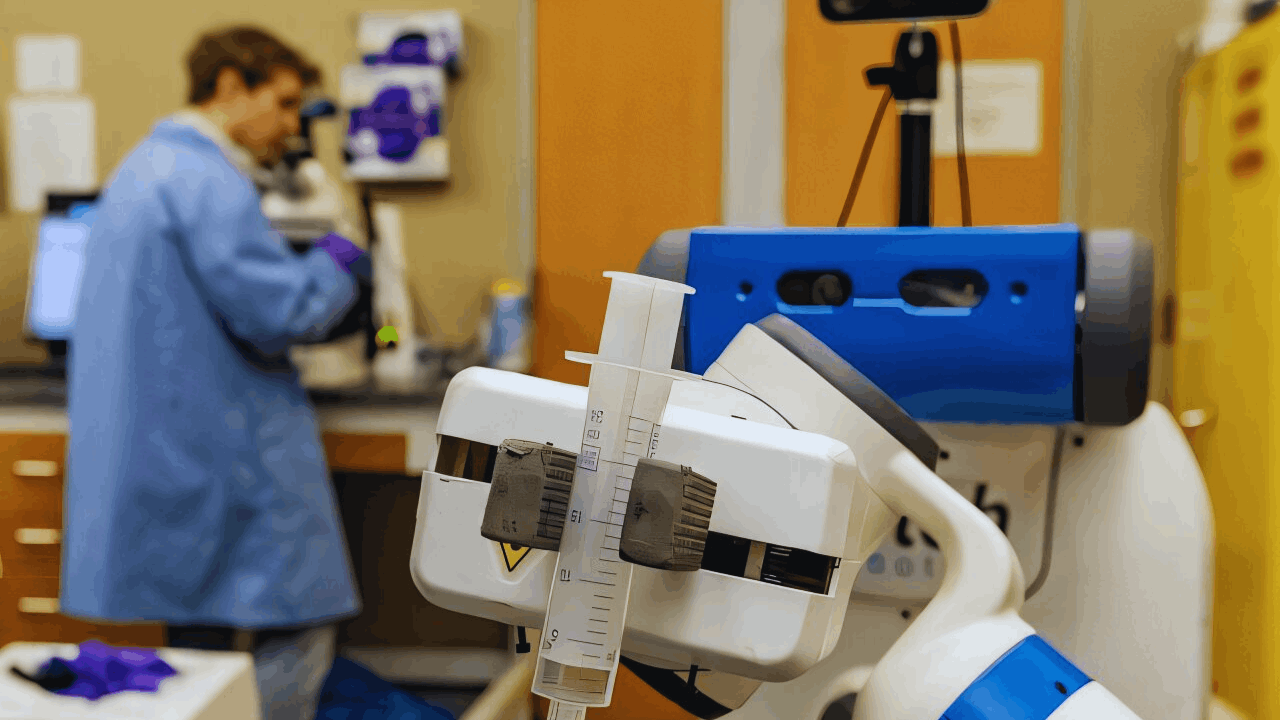
Their work influences future applications in fields like space robotics, disaster response, and personal assistants. This role is often based in academic, government, or R&D environments.
Soon, it will be one of the few roles that will always be available for every qualified individual to apply.
Shaping the Future of Robotics
As a researcher, you will develop experimental systems and publish findings in journals or conferences. A Ph.D. in robotics, computer science, or engineering is often required.
The job includes designing long-term studies and exploring unproven concepts. Your goal is to push the boundaries of what robotic systems can learn and accomplish.
Conclusion
The robotics industry is full of promise, offering opportunities for professionals across technical, creative, and regulatory domains. By choosing to explore top robotic jobs, you position yourself at the intersection of innovation and real-world impact.
Whether you're developing smarter machines, designing interfaces, or ensuring ethical compliance, each role plays a vital part in shaping the future. As automation and AI continue to expand, the need for skilled robotics professionals will only grow stronger.