Amazon Flex Offer Types boil down to two ways of getting work: scheduled blocks (including reserved offers) and on-demand instant offers. Both can pay well, yet the day-to-day feel is different.
Planning, location, and cancellation flexibility matter more than most new drivers expect, especially once real traffic and real-life timing come into play.

Amazon’s own Flex materials describe typical earnings of around $18–$25 per hour in many markets, while also flagging that results vary by area, route time, and tips where applicable. Some routes finish early, some don’t, and that reality shapes which offer type fits best.
Reserved Blocks and Reserved Offers
Reserved Blocks bring predictability. Instant Offers bring speed. The best pick depends on schedule needs, distance to pickup sites, and how much “on-call” time feels acceptable.
How Reserved Blocks Show Up
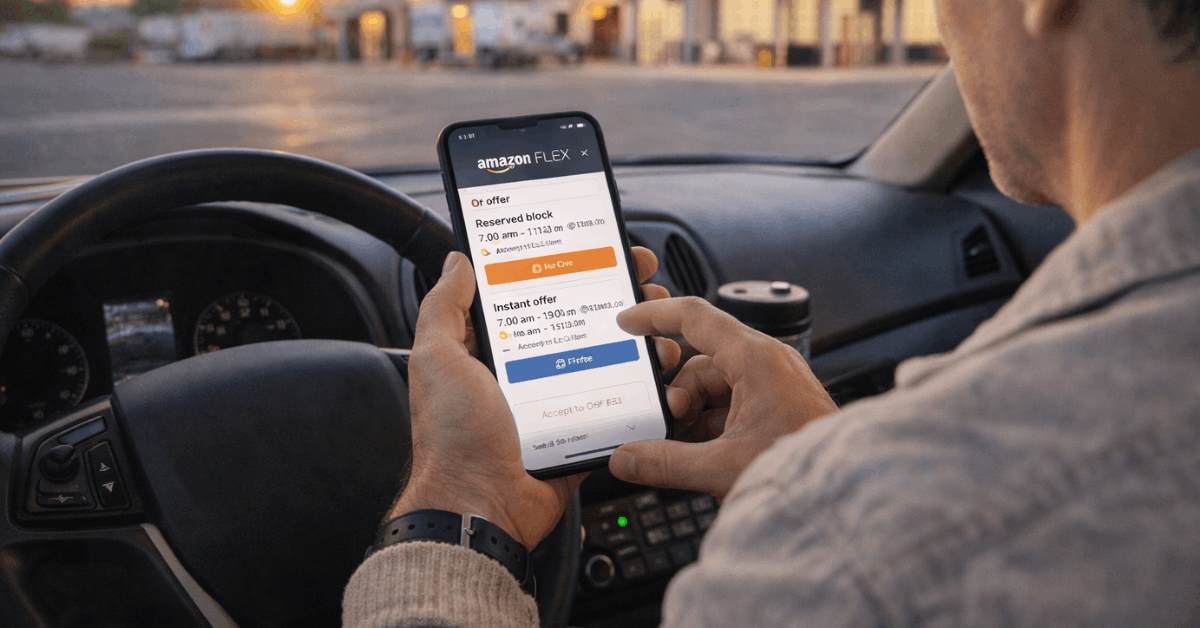
Reserved blocks can appear on the Offers screen as standard first-come blocks, and sometimes as Reserved offers, Amazon Flex entries set aside for a limited time.
Amazon’s FAQ describes reserved offers as exclusive to a single delivery partner until they expire, after which they become available to others.
Regular blocks show expected earnings, date, start time, pickup location, and estimated duration before accepting. Amazon’s Flex blog has described blocks as typically lasting three to five hours, with availability sometimes appearing up to several days ahead, depending on market conditions and demand.
Timing, Duration, and Commitment
Most reserved blocks of land take around three to six hours in practice, depending on the market and delivery type.
Once accepted, that time window becomes the commitment, and canceling late can affect standing. That’s why reserved blocks suit drivers who want a stable weekly rhythm more than constant micro-decisions.
Delivery Types Commonly Attached To Blocks
Reserved blocks can include:
- Amazon.com logistics package delivery
- Grocery delivery, such as Amazon Fresh
- Retail and similar partner deliveries, depending on the region
Tip eligibility varies by delivery type. Amazon notes that grocery blocks can show an earnings range when tips may apply, while non-tip routes may show a single guaranteed amount.
Rewards Reserved Offers and Preferred Scheduling
Higher-tier drivers in some markets can unlock more tailored reserved offers. Amazon Flex Rewards describes “Rewards reserved offers” that can match set preferences.
How Preferred Scheduling Changes The Mix
Preferred scheduling typically means selecting a preferred station, day, and time window. That preference can influence which reserved offers get surfaced, though nothing guarantees a perfect match every day.
A practical mindset helps here: consistency improves when preferences match real demand patterns in the region. Picking a low-volume station and expecting daily reserved offers can lead to frustration, even with strong standing.
Instant Offers and The Available Now Toggle
Instant offers are built for short-notice earnings without booking a full block. Grocery-heavy routes show up often, though availability depends heavily on location and local participation.
What Triggers Instant Offers
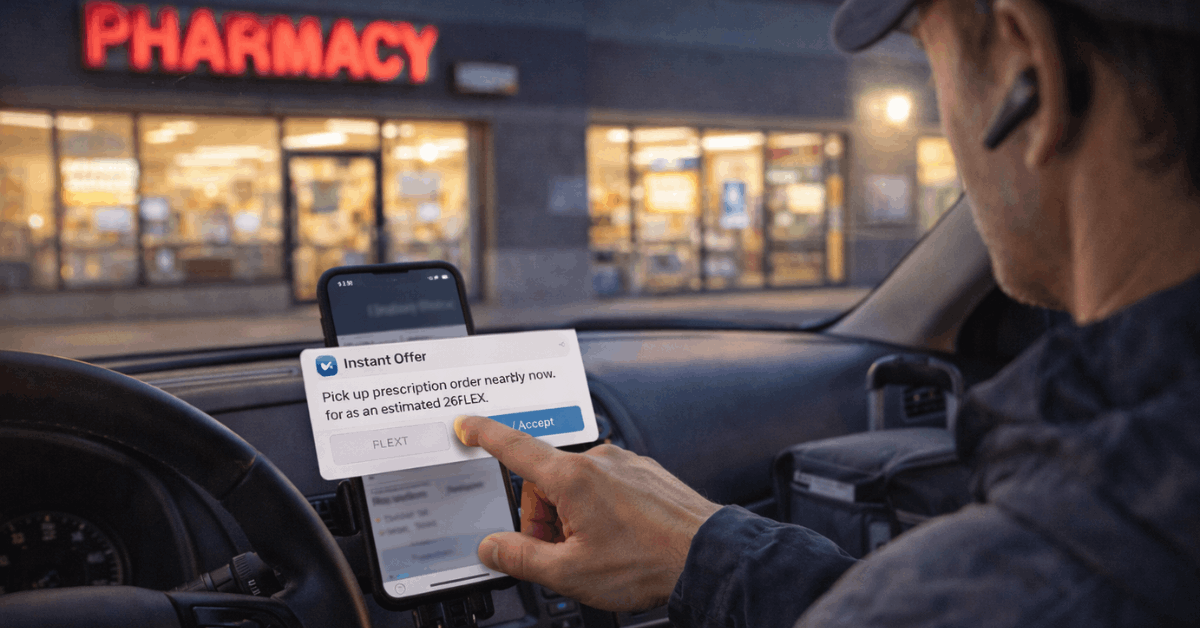
Instant offers require turning on the Available Now toggle in the app. Amazon explains that instant offers are sent one partner at a time, and acceptance time is short, often around a minute.
Location Requirements Matter A Lot
Receiving instant offers depends on proximity. Amazon has described being within roughly 3–15 minutes of a participating pickup site as the best chance for receiving these offers.
That proximity rule effectively creates a pickup location radius reality: living or waiting near Whole Foods, Amazon Fresh, or other participating sites can change earnings opportunities in a big way. Waiting far away usually means fewer pings, even with availability turned on.
Duration and Pay Structure
Instant offers tend to be shorter. Amazon has described an average expected delivery time of around an hour and a half, though actual delivery times can vary widely by market and route.
Earnings can show as a single amount or a range. Ranges typically reflect Amazon’s contribution plus potential tips based on similar deliveries, and tips are not guaranteed even when shown in a range. Amazon also states that delivery partners receive 100% of customer tips.
Key Differences Between Reserved Blocks and Instant Offers
Choosing between these Amazon Flex Offer Types gets easier when comparing them on timing, commitment, and location control.
| Feature | Reserved Blocks | Instant Offers |
| Timing | Scheduled in advance, sometimes several days out | Starts right away after acceptance |
| Commitment | Longer window, often 3–5+ hours | Usually shorter routes, often around ~1–1.5 hours |
| How Offers Arrive | Offers page, including reserved offers at the top | Sent directly while “Available Now” stays on |
| Location Constraint | Pickup at a chosen station/site | Close proximity to a participating pickup site |
Choosing The Right Offer Type For Real Life
Reserved blocks fit drivers who want a weekly plan and fewer app refresh decisions. Instant offers fit drivers who prefer flexibility and can stay near participating sites without burning too much unpaid time.
When Reserved Blocks Usually Win
Reserved blocks tend to work best when:
- A predictable weekly schedule matters more than spontaneity
- A station is reachable without long dead miles
- Guaranteed pay feels more valuable than chasing tips upside down
When Instant Offers Usually Win
Instant offers tend to work best when:
- Home is close to a participating pickup location
- Short routes fit better than long blocks
- Tip-eligible routes are common in the local market
A small caution belongs here: “available now” time can quietly become unpaid waiting time. That tradeoff is fine for some drivers and awful for others.
A Hybrid Strategy That Experienced Drivers Use
A mixed approach often works well: reserved blocks create the base schedule, while instant offers fill gaps. This approach reduces the pressure to rely on constant pings while still capturing short-notice opportunities.
A practical workflow looks like this:
- Lock two to four reserved blocks across the week for stability.
- Leave buffer time between blocks to avoid late arrivals.
- Turn on “Available Now” during natural downtime near a pickup site.
- Decline routes that create excessive dead miles or conflict risk.
Amazon’s own materials describe both offer types as legitimate ways to earn, with earnings shaped by location, customer demand, route duration, and tips where applicable.
Last Thoughts
Amazon Flex Offer Types work best when treated as a scheduling choice, not a money hack. Reserved blocks tend to reward drivers who want predictable hours and fewer last-minute decisions, while instant offers reward proximity and flexibility, especially near grocery pickup sites where tips can help.
Earnings can land in the same general range either way, yet unpaid waiting time, dead miles, and late-cancel penalties are what usually decide the “better” option in real life.
A simple hybrid approach often wins: anchor the week with a few reserved blocks, then use Available Now only during downtime that would exist anyway.